DURIT CARBIDE TECHNOLOGY:von Durit:WE RESOLVE
We dedicate ourselves to your specific requirements throughout all stages of production. Utilizing our profound expertise and efficient processes we create first-grade carbides. The advantage to our customers:
When it comes to durability, precision and wear
resistance, DURIT products are leading the way.
CARBIDE FASCINATES.
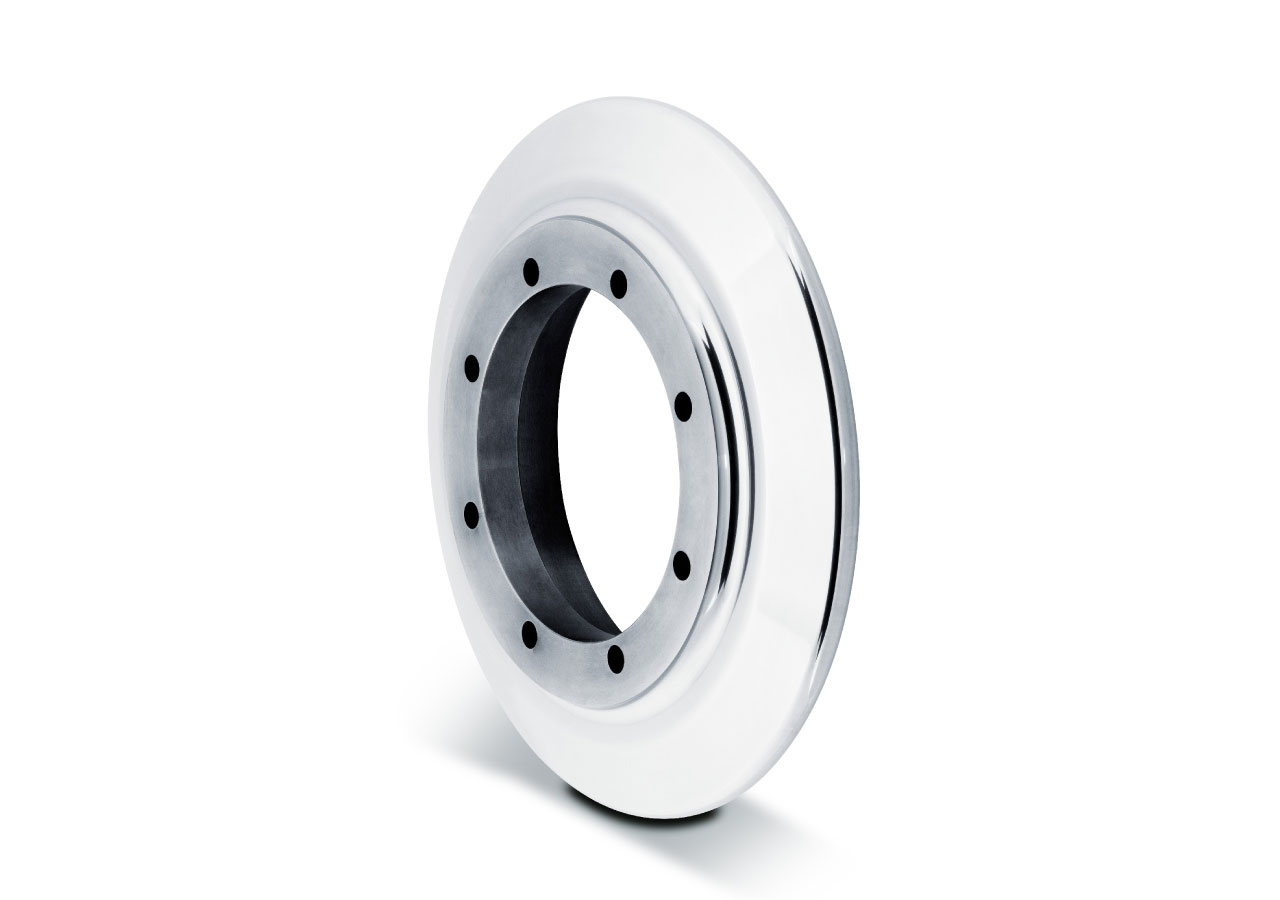
Carbide is special to us: parts made from this material are the ultimate in wear resistance, longevity and ensure utmost versatility. DURIT carbide components stand up to the toughest demands. They greatly extend the service life of machines and equipment.
DURIT CARBIDE PRODUCTS CAN INCREASE THE
PRODUCTIVITY OF YOUR PRODUCTION - PERMANENTLY
CARBIDE.DEFINITION ANDCOMPOSITION.
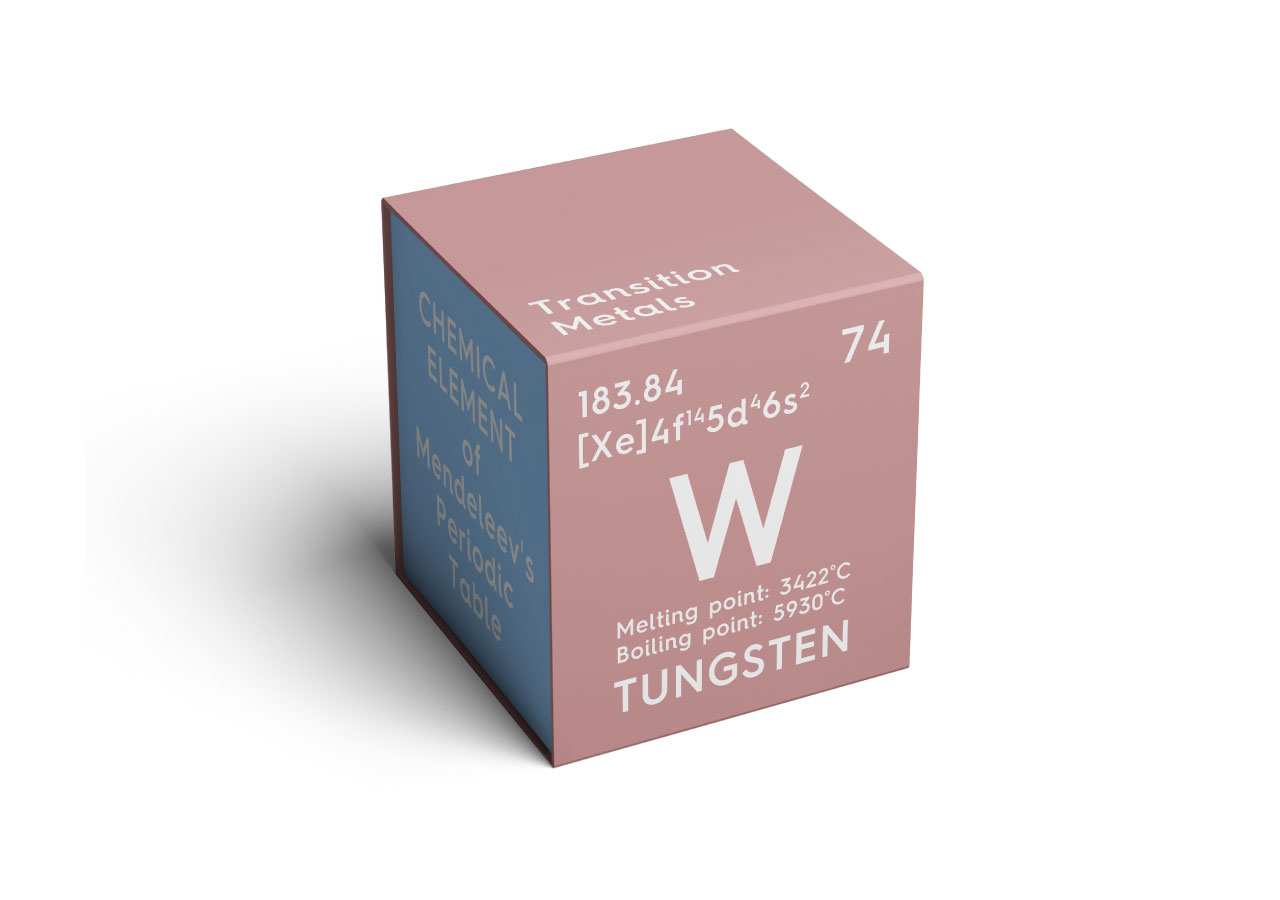
The term “carbide” describes materials distinguished by HIGH HARDNESS and special metallurgic properties. To be exact, they are sintered materials consisting mainly of tungsten carbide and a binding agent.
Hard materials are usually Wolfram (WC), Titanium (TiC), Tantalum (TaC), Chromium (CrC) and other carbides. As binding agents Cobalt (Co), Nickel (Ni), Iron (Fe) and Nickel-Chromium (NiCr) are most frequently used. The most common carbide combination is tungsten carbide and Cobalt (WC + Co).
Various carbide composition options cover a
broad spectrum of hardness and possible applications.
CARBIDE:WHAT DETERMINES ITS FEATURES?
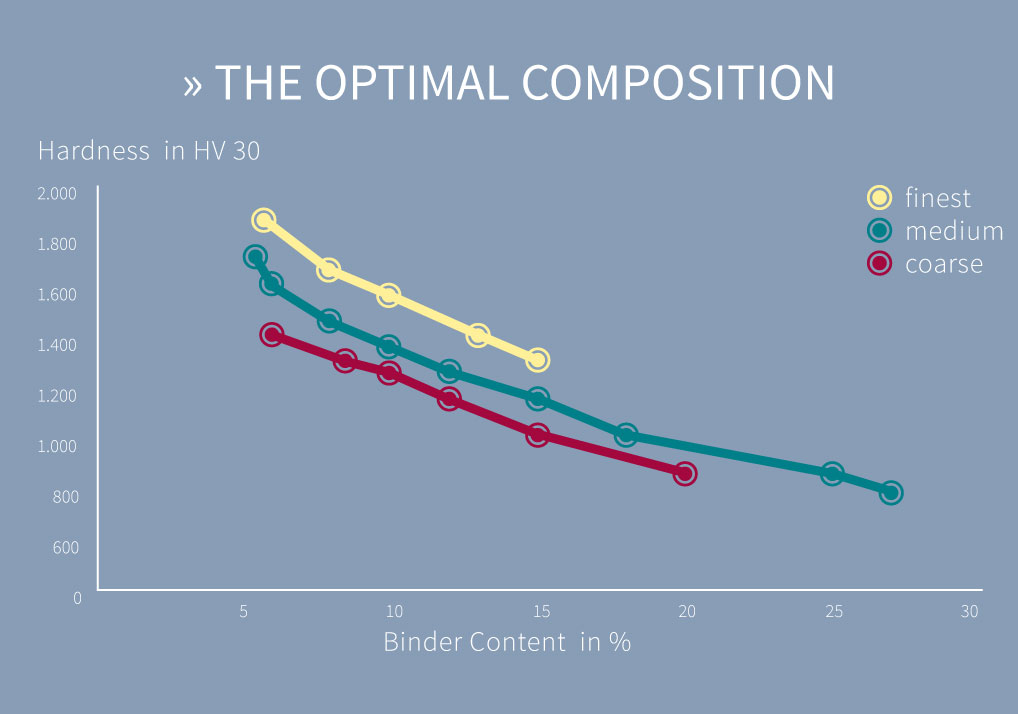
The amount of binding agent and grain size of the carbide determines its specific carbide properties. A high amount of binding agent promotes toughness, while a lower amount increases wear resistance. The selection of grain size on the other hand promotes hardness.
THE FINER THE GRAIN, THE HARDER THE MATERIAL.
THE COARSER THE GRAIN, THE BETTER THE MATERIAL’S FRACTURE RESISTANCE.
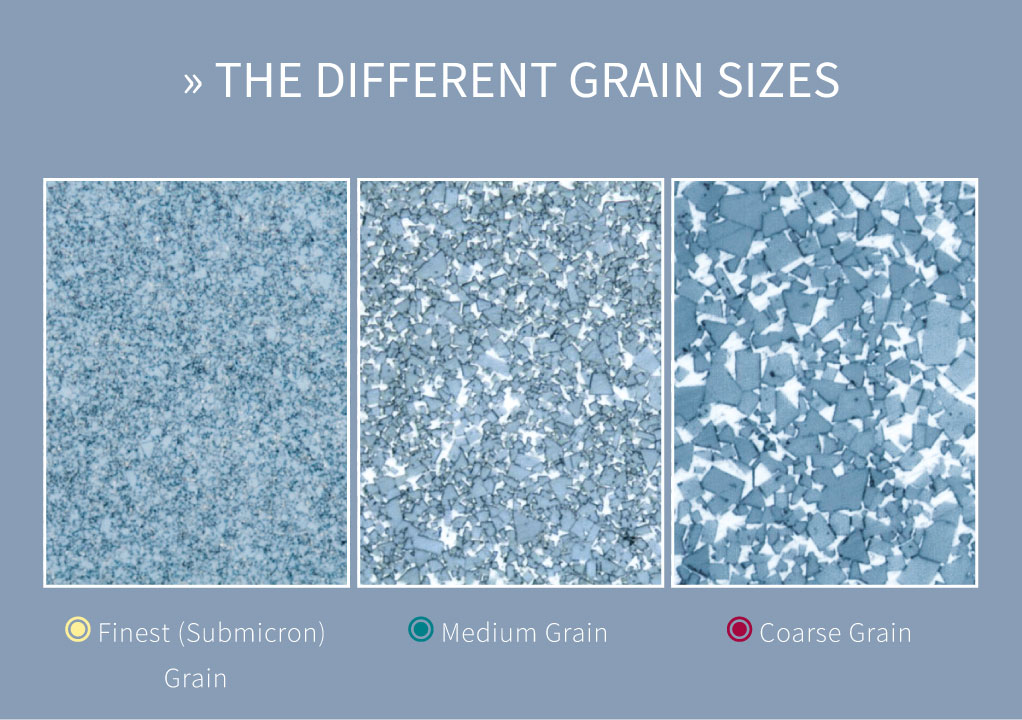
The optimal material composition depends on the technical requirements and respective application. Experience and know-how enable us to create the perfect part with the perfect material composition.
MAXIMUM DURIT PRECISION.
INDIVIDUALITY AND DIVERSITY INCARBIDES
The right typefor every requirement.
Our large variety of carbide grades ensures that what we deliver is both durable and economical.
Our parts, components and precision tools outperform throughout all industries:
» Paper processing
» Pumps, valves and compressors manufacturing
» Oil, gas, petrochemical
» Chemical and pharmaceutical
» Sheet metal processing
» Plant and mechanical engineering
» Metal shaping
» Powder processing
» Recycling and shredding technology
» Refractory industry
» Automotive
» Concrete roofing industry
» Blasting and surface technology
» Plastics
» Food processing
OVERVIEW OF OUR CARBIDE GRADES
GRADE(Custom grades per request) | Composition (%) | Binder (%) | Grain Size | Density (g/cm3) | Hardness (HV30) | Transverse rupture strength (N/mm2) | Compressive strength (N/mm2) | Fracture toughness (MPa * m1/2) | ||
|---|---|---|---|---|---|---|---|---|---|---|
| GD02F | WC-Co | 3,50 | submicron | 15,10 | 1980 | 2200 | 6800 | 7 | ||
| GD03F | WC-Co | 5,75 | submicron | 14,95 | 1850 | 2700 | 7000 | 9 | ||
| GD08F | WC-Co | 8,00 | submicron | 14,75 | 1625 | 3400 | 5900 | 10 | ||
| GD13F | WC-Co | 10,00 | submicron | 14,50 | 1540 | 3600 | 5700 | 12 | ||
| GD16F | WC-Co | 13,00 | submicron | 14,20 | 1390 | 3700 | 5400 | 13 | ||
| GD18F | WC-Co | 15,00 | submicron | 14,00 | 1285 | 3800 | 5400 | 14 | ||
| GD05 | WC-Co | 5,50 | fine | 14,95 | 1700 | 2700 | 6100 | 10 | ||
| GD10 | WC-Co | 6,00 | medium | 14,95 | 1600 | 3000 | 5500 | 10 | ||
| GD15 | WC-Co | 8,00 | medium | 14,70 | 1460 | 2850 | 5400 | 12 | ||
| GD20 | WC-Co | 10,00 | medium | 14,50 | 1350 | 3100 | 4500 | 15 | ||
| GD25E | WC-Co/Cr | 15,60 | submicron | 13,90 | 1370 | 3600 | 4900 | 15 | ||
| GD30 | WC-Co | 15,00 | medium | 14,00 | 1150 | 2900 | 4000 | 15,5 | ||
| GD40 | WC-Co | 18,00 | medium | 13,80 | 1025 | 3000 | 3700 | 16 | ||
| GD45 | WC-Co | 22,50 | medium | 13,45 | 920 | 3100 | 3400 | 18 | ||
| GD50 | WC-Co | 22,50 | medium | 13,20 | 840 | 2900 | 3300 | 22 | ||
| GD60 | WC-Co | 27,00 | medium | 13,05 | 770 | 2900 | 3200 | 25 | ||
| GD10N | WC-Ni | 7,00 | fine | 14,85 | 1530 | 2400 | 5400 | 10 | ||
| GD20N | WC-Ni | 9,00 | fine | 14,70 | 1400 | 2900 | 5200 | 10 | ||
| GD05NC | WC-Co/Ni/Cr | 5,80 | submicron | 14,85 | 1950 | 2400 | 5500 | 8,5 | ||
| GD08NC | WC-Ni/C | 8,80 | submicron | 14,65 | 1670 | 2600 | 4900 | 9 | ||
| GD10NC | WC-Ni/C | 6,80 | fine | 14,87 | 1630 | 2470 | 5100 | 11,5 | ||
| GD14NC | WC-Co/Ni/Cr | 7,60 | fine | 14,75 | 1650 | 3100 | 4900 | 9,5 | ||
| BD05 | WC-Co | 6,00 | coarse | 14,95 | 1450 | 2500 | 5500 | 15 | ||
| BD10 | WC-Co | 8,50 | coarse | 14,60 | 1250 | 2600 | 5000 | 16 | ||
| BD20 | WC-Co | 10,00 | coarse | 14,55 | 1215 | 2700 | 4700 | 19 | ||
| BD30 | WC-Co | 12,00 | coarse | 14,35 | 1130 | 2900 | 4000 | 20 | ||
| BD40 | WC-Co | 15,00 | coarse | 14,00 | 1000 | 2700 | 3500 | 24 | ||
| BD50 | WC-Co | 20,00 | coarse | 13,60 | 850 | 2800 | 3300 | 27 |

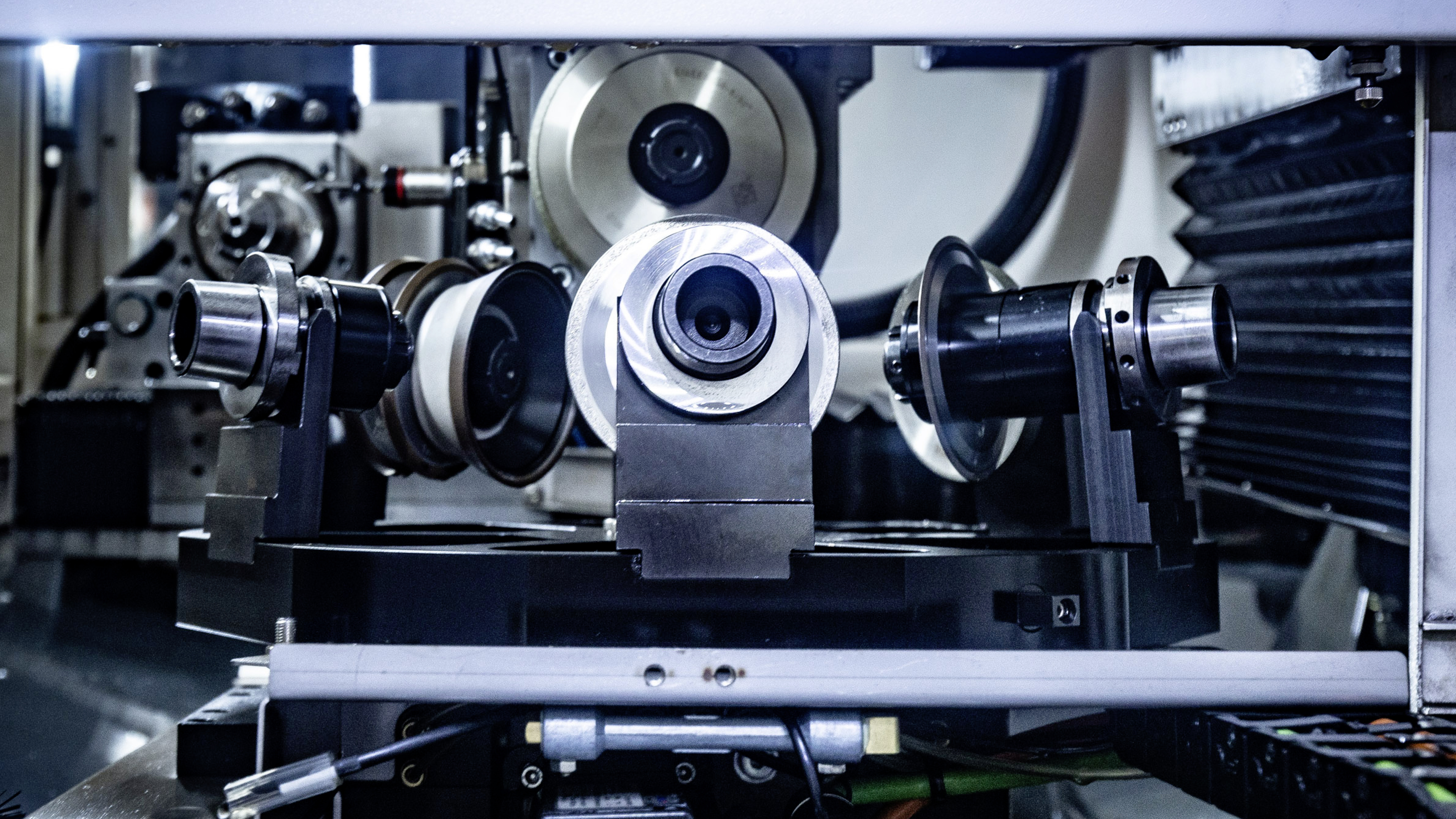
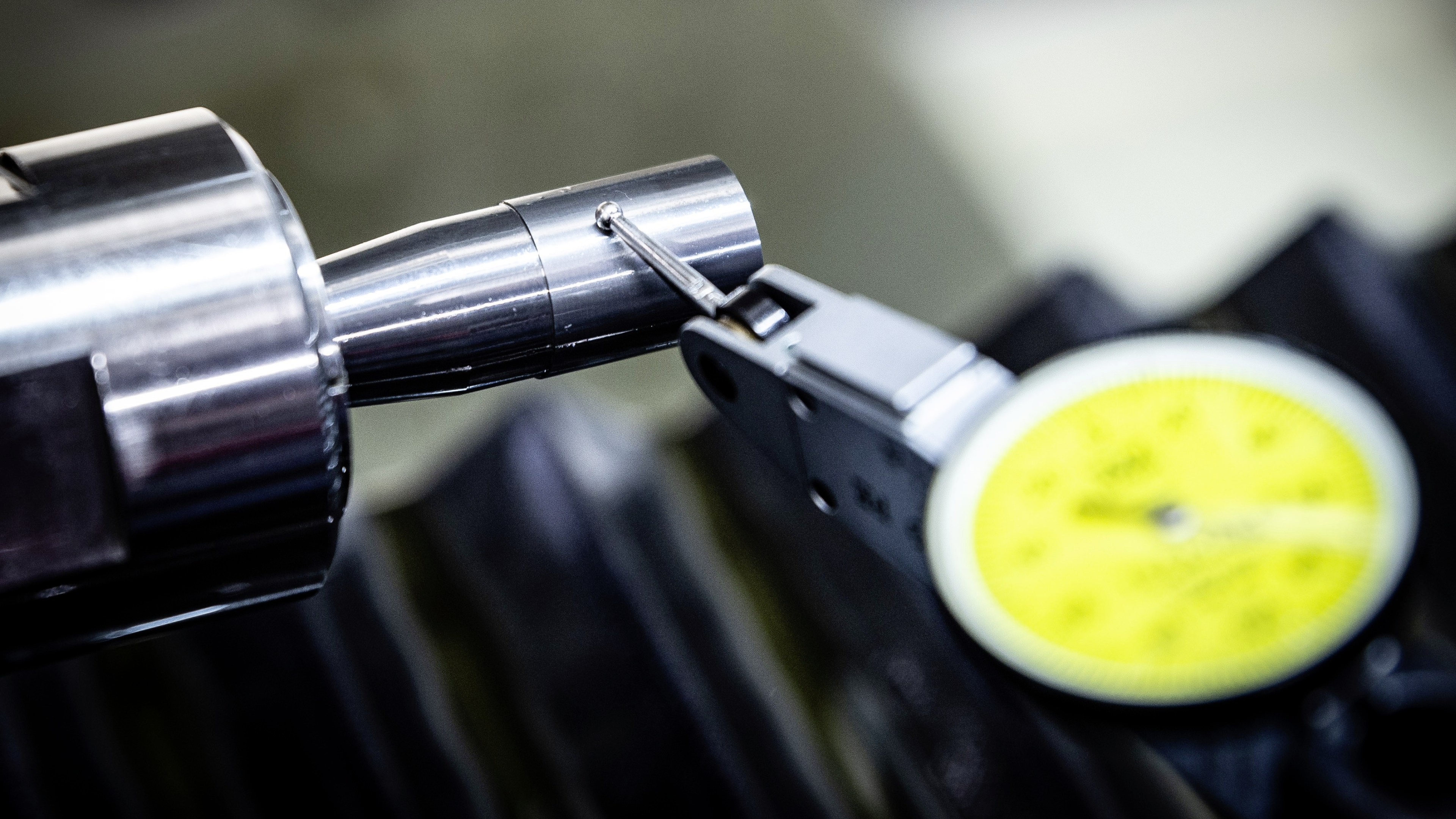
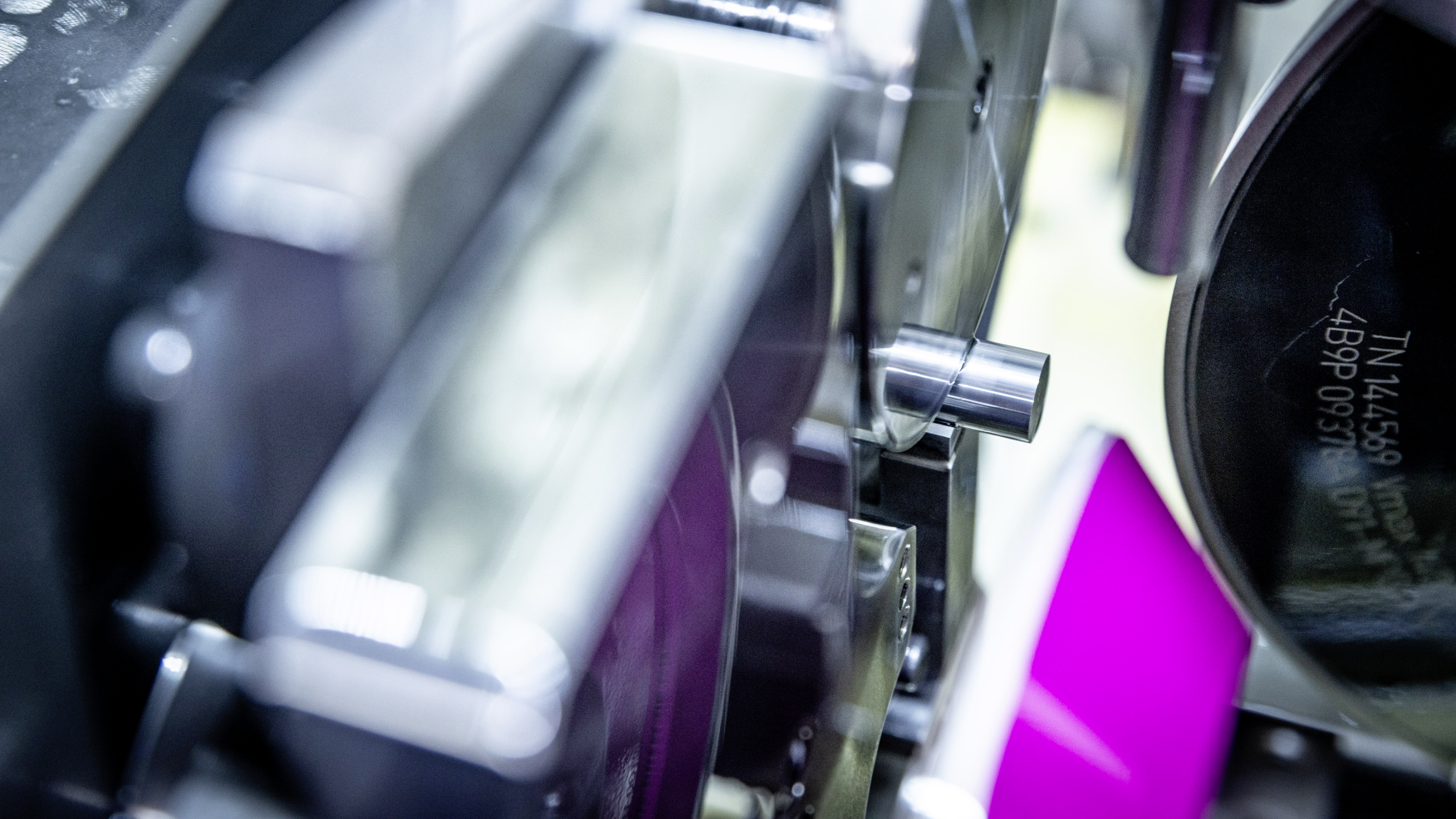
Our work begins well before sintering. Processing is optimized right from the start, rendering DURIT blanks closer to the end product. They have very low grinding excess and subsequent finishing follows on CNC-sanders and erosion machines. DIN ISO 9001:2015 certified processes ensure a consistently high product quality. Additionally, we comply with the requirements of ISO 14001 and ISO 50001 certifications for effective environmental management and advanced energy management systems.
» PARTS, COMPONENTS AND PRECISION TOOLS
THAT NOT ONLY MEET, BUT EXCEED YOUR
EXPECTATIONS FOR
ECONOMICAL EFFICIENCY.